
The Code of Anger: Doorway to Tranquility, Patience, Detachment, Calm
It is rush hour, the traffic is heavy, you are trying to make a left turn into busy traffic. It seems like it will take forever to make the turn. Worse yet, you have been recently cut off by other people in a hurry. OR you are in a meeting giving a proposal or ideas that you hope others will accept, but a few of the key decision makers do not see your point of view and remain stubborn in blocking you. Worse yet, your country is in the finals of a big worldwide tournament, and towards the end of the game, one of the players of your team makes a serious error that costs your team the championship.
When you get angry because you cannot get to where you want to go or have the result you were hoping for, your ego wants nothing more than to become heated and then unleash blame on everyone else in the world. Anger is the energy that tells you that something is not going your way. It expresses itself in all kinds of ugly ways. It can get violent both inwardly and outwardly, but mostly it takes you nowhere and gets you nothing.
Some people seem to think that is therapeutic to get your anger out in a violent way like taking up boxing or hitting a pillow or throwing things. No doubt, when a leader unleashes an angry barrage of insults at a team, the leader feels better for having gotten it out or you probably feel better for a second when you beep the horn in traffic when someone cuts you off, but the temporary responses do not address what is really happening internally. They tend to grow more negative over time if left unchecked.
Expressing the anger is helpful, but only when it is done in a manner that keeps the responsibility for solving it with yourself. When you yell at someone or honk your horn loudly, your intention is to give the problem over to the other person to solve. It doesn’t help you in the long term. The other day I was in a conversation with someone who kept subtly invalidating what I was saying, while making what he was saying much more important. At first I didn’t recognize what he was doing, but then I felt really angry inside and had to use all of my will to stay calm and patient. Later I told my wife what was happening, which was very helpful for me. In the midst of telling her I could see that the issue was that I was feeling invalidated. By getting the anger out in a calmer manner I could see that I could begin addressing the issue of invalidation and let go of what the other person was doing.
If you can feel the anger and then name it, then your higher self and conscious mind can begin to understand what is really calling to you. Anger tells you that you need to develop one of four major virtues, calmness, patience, detachment, or tranquility. If you live in country like the U.S., where how fast you get a job done is so important, then the virtue calling to you will most likely be patience. It is interesting that when a new president is elected in the U.S., it is the first 100 days in office and how much they can get done, that seem so important to everyone. The best advice I ever received when I became an administrator in a school or department was exactly the opposite. It was to wait for a year to make any big changes.

Patience allows you to take out of the equation of your life. It says, “What if time didn’t matter?” because it really never matters as much as we think.
Calmness allows you to ride the wave of other people’s anger and disruptions.
Detachment allows you to not have to feel really negative feelings when results do not go your way or people act in really absurd ways.
And tranquility allows you to be at peace with how bad things currently are or have been.
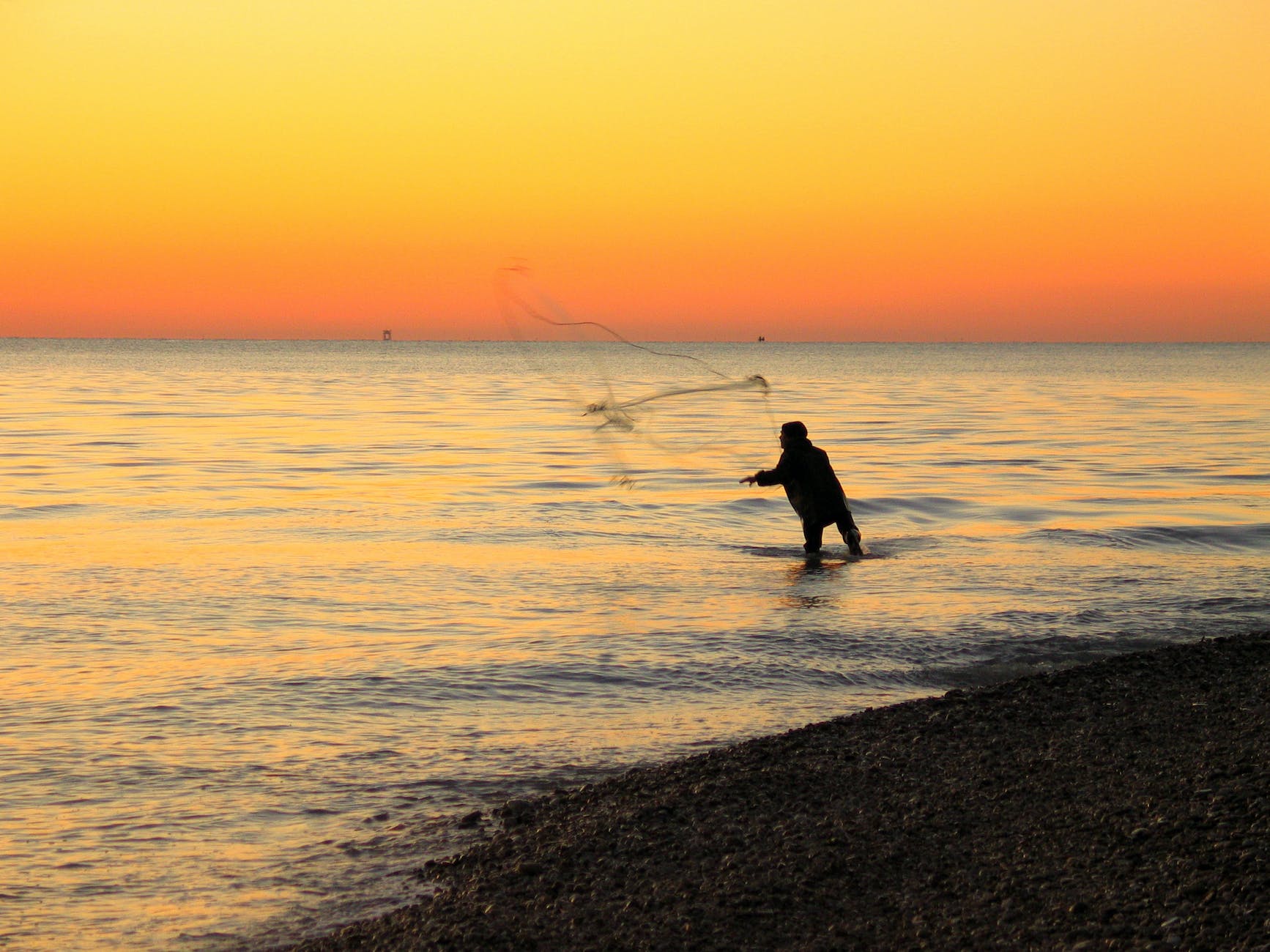
Having these virtues are like pure gold to your life. Every time you feel angry, it means that the virtues that are going to be golden to your life are calling you.
When are you likely to get angry? Which of the 4 golden virtues is calling you?
 Richard Hastings is an expert in change work and dream work and author of Dreams for Peace. He is a

 Dreams For Peace
Yes. Probably we need to practice before the real situation occurs.